Blog

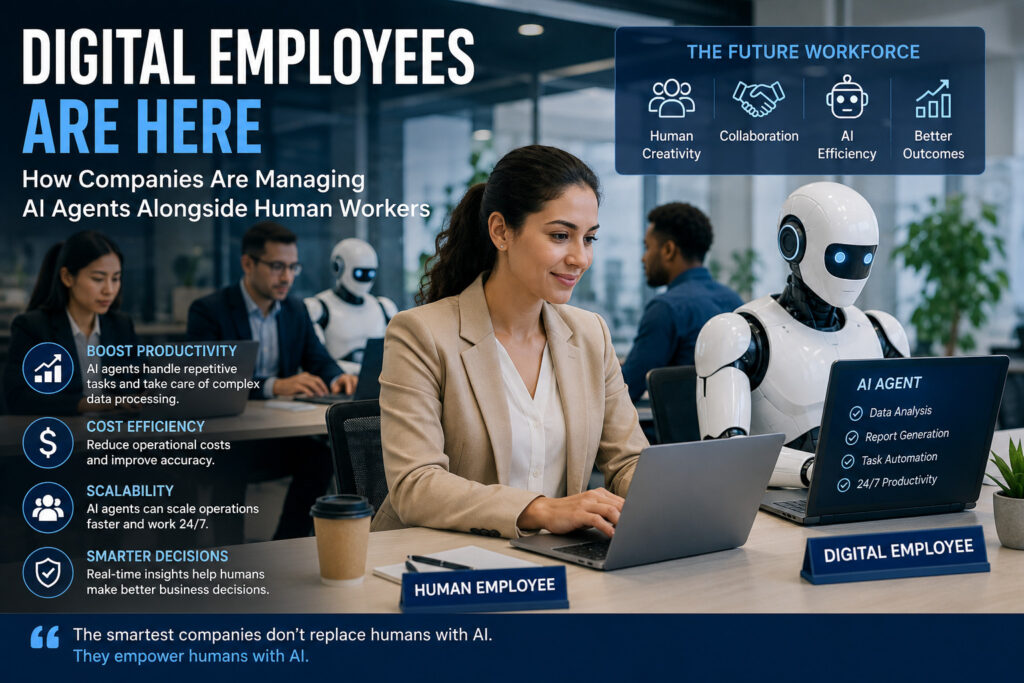
Digital Employees Are Here: How Companies Are Managing AI Agents Alongside Human Workers

The modern workplace is experiencing one of the most significant transformations since the rise of the internet. While businesses have spent years adopting automation tools and artificial intelligence (AI), 2026 marks a new era: the emergence of digital employees.

Unlike traditional software that performs predefined tasks, AI agents can analyze information, make decisions, complete workflows, interact with systems, and even collaborate with human workers. These intelligent digital assistants are increasingly becoming part of daily business operations, helping organizations improve productivity, reduce costs, and accelerate innovation.

As AI agents become more capable, companies face a new challenge—not whether to adopt them, but how to manage a workforce that includes both humans and digital employees.

What Are Digital Employees?

Digital employees are AI-powered agents designed to perform tasks traditionally handled by human workers. They can operate independently or alongside employees, handling responsibilities such as:

  • Customer support
  • Data analysis
  • Report generation
  • Project coordination
  • Administrative tasks
  • Software testing
  • Financial processing
  • Knowledge management

Unlike simple automation tools, AI agents can understand context, learn from interactions, and make decisions based on business objectives.

For many organizations, these digital workers are becoming valuable team members that work 24/7 without fatigue, enabling businesses to scale operations more efficiently.

Why Companies Are Adopting AI Agents

The growing popularity of digital employees is driven by several business factors.

1. Increased Productivity

AI agents can complete repetitive and time-consuming tasks much faster than humans. Activities that previously required hours can now be completed within minutes.

This allows employees to focus on higher-value responsibilities such as strategy, innovation, relationship building, and decision-making.

2. Cost Efficiency

Organizations face ongoing pressure to optimize operational costs. Digital employees help reduce manual workloads while improving process efficiency.

Rather than replacing entire teams, many businesses use AI agents to augment human capabilities and increase output without significantly expanding headcount.

3. Workforce Scalability

Hiring, onboarding, and training new employees can take months. AI agents can often be deployed within days and scaled rapidly as business needs grow.

This flexibility is particularly valuable for organizations experiencing fluctuating workloads or seasonal demand.

4. Faster Decision-Making

Modern AI agents can analyze vast amounts of data and generate actionable insights in real time.

Executives and managers increasingly rely on AI-powered systems to support strategic planning, forecasting, and operational decisions.

How Digital Employees Are Working Alongside Human Workers

The future workplace is not a competition between humans and AI. Instead, it is becoming a collaborative environment where each contributes unique strengths.

Human Strengths

Humans continue to excel in areas such as:

  • Emotional intelligence
  • Creativity
  • Critical thinking
  • Leadership
  • Ethical judgment
  • Relationship management

These capabilities remain difficult for AI systems to replicate fully.

AI Strengths

Digital employees perform exceptionally well in:

  • Data processing
  • Pattern recognition
  • Routine task execution
  • Continuous monitoring
  • Workflow automation
  • Information retrieval

The most successful organizations combine these strengths to create hybrid teams that deliver better outcomes than either humans or AI could achieve alone.

Industries Leading the Adoption of Digital Employees

While AI agents are spreading across nearly every sector, several industries are leading adoption efforts.

Financial Services

Banks and financial institutions use AI agents for fraud detection, compliance monitoring, customer support, and transaction analysis.

Healthcare

Healthcare providers leverage AI assistants for scheduling, patient communication, documentation support, and administrative operations.

Technology

Software companies deploy digital employees for coding assistance, testing, cybersecurity monitoring, and technical support.

Retail and E-Commerce

Retail organizations utilize AI agents for inventory management, customer engagement, personalized recommendations, and supply chain optimization.

Human Resources

HR departments increasingly rely on AI tools for recruitment screening, employee onboarding, training recommendations, and workforce analytics.

The New Challenge: Managing AI Employees

As digital employees become part of the workforce, companies must establish effective management practices.

Defining Clear Responsibilities

Organizations need clear guidelines regarding which tasks are handled by humans and which are delegated to AI agents.

Without proper role definition, inefficiencies and confusion can emerge.

Monitoring Performance

Just like human employees, AI agents require ongoing evaluation.

Businesses are developing performance metrics to measure:

  • Accuracy
  • Efficiency
  • Reliability
  • Business impact
  • Compliance performance

Regular monitoring ensures AI systems continue delivering value.

Governance and Oversight

AI agents should not operate without supervision.

Organizations increasingly establish AI governance frameworks that define:

  • Usage policies
  • Decision-making boundaries
  • Data privacy requirements
  • Security protocols
  • Human approval processes

These safeguards help reduce operational and reputational risks.

Addressing Employee Concerns

The introduction of digital employees often raises concerns among workers.

Many employees worry about:

  • Job displacement
  • Reduced career opportunities
  • Increased workplace surveillance
  • Changing job responsibilities

Forward-thinking organizations address these concerns through transparency and communication.

Rather than presenting AI as a replacement for workers, successful companies position digital employees as tools that eliminate repetitive tasks and create opportunities for higher-value work.

Employee education and reskilling programs play a critical role in building trust and adoption.

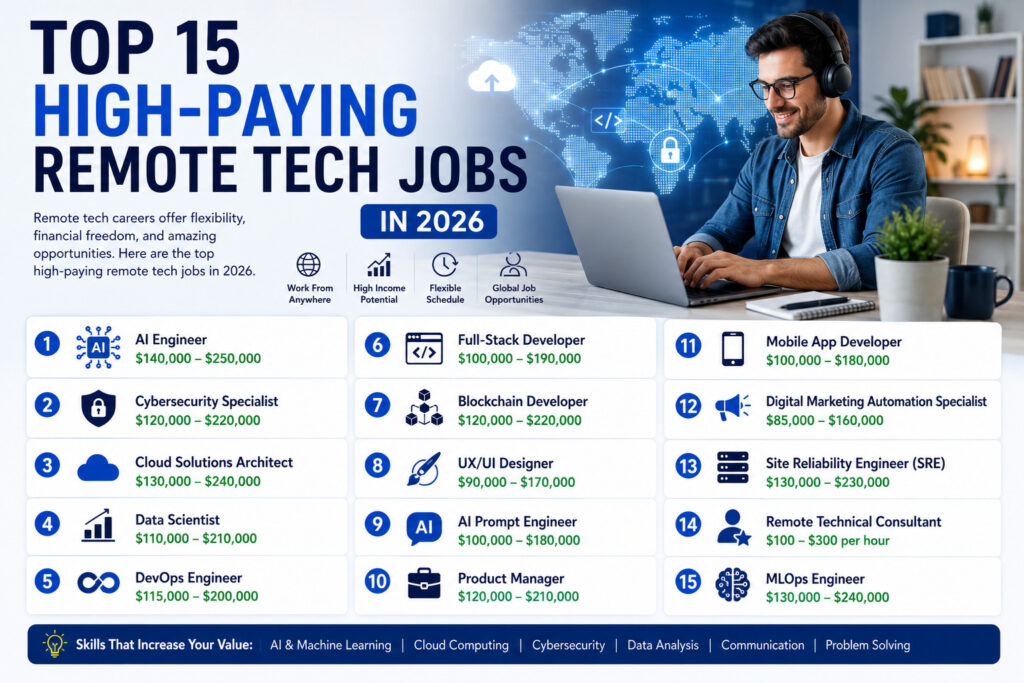
New Career Opportunities Emerging

Ironically, the rise of AI agents is creating entirely new career paths.

Some of the fastest-growing roles include:

AI Operations Specialists

Professionals responsible for monitoring, managing, and optimizing AI agents.

AI Governance Managers

Experts who ensure AI systems operate ethically and comply with regulations.

Prompt Engineers

Specialists who design and refine instructions that improve AI performance.

Human-AI Collaboration Managers

Professionals focused on improving workflows between human employees and digital workers.

AI Risk Analysts

Experts who assess potential operational, security, and compliance risks associated with AI systems.

These roles demonstrate that AI adoption is transforming careers rather than simply eliminating them.

Challenges Companies Must Overcome

Despite the benefits, organizations face several obstacles when integrating digital employees.

Data Privacy Risks

AI systems often process large volumes of sensitive information. Strong data governance is essential.

Security Concerns

Poorly managed AI agents can become targets for cyberattacks or create vulnerabilities within business systems.

Ethical Issues

Organizations must ensure AI decisions remain fair, transparent, and free from bias.

Employee Resistance

Workforce adoption can be difficult if employees fear change or lack proper training.

Successful implementation requires thoughtful change management and leadership support.

What the Future Workplace Will Look Like

Experts predict that digital employees will become as common as email and cloud software are today.

In the coming years, employees may work with multiple AI agents that:

  • Schedule meetings
  • Analyze data
  • Draft reports
  • Manage projects
  • Provide strategic recommendations

Rather than replacing workers, these systems will function as intelligent collaborators that enhance human productivity and decision-making.

Organizations that effectively combine human talent with AI capabilities will likely gain significant competitive advantages in productivity, innovation, and operational efficiency.

Conclusion

Digital employees are no longer a futuristic concept—they are becoming a reality across industries worldwide. As AI agents take on increasingly sophisticated responsibilities, organizations are learning how to integrate them into daily operations while maintaining human oversight and accountability.

The most successful companies understand that the future of work is not about choosing between humans and AI. It is about creating collaborative environments where both can contribute their strengths.

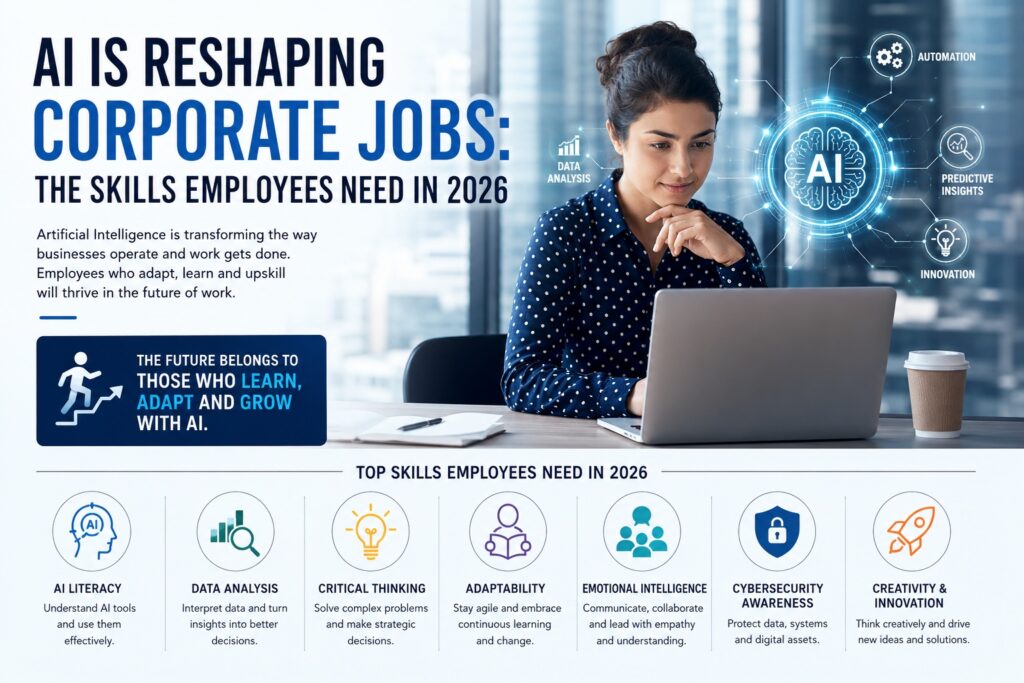
For employees, this shift presents an opportunity to develop new skills, embrace emerging technologies, and focus on the uniquely human capabilities that remain essential in the modern workplace. As digital employees become a permanent part of corporate life, adaptability and continuous learning will be the keys to long-term career success.

Leave a Reply

Your email address will not be published. Required fields are marked *